
Does Cold Weather Affect Oil Boilers?
If you rely on an oil boiler to keep your home warm, you might wonder whether freezing temperatures can cause problems with your heating system. The short answer is yes—cold weather can affect oil boilers in several ways, from thickening the fuel to freezing pipes and reducing efficiency.
The good news is that most cold weather issues are preventable with straightforward preparation and routine maintenance. Our engineers work across Somerset every day, so we understand how local properties respond to cold snaps and what practical steps make the biggest difference.
In this guide, we explain the real-world problems cold weather can cause, what you can do to prevent them, and when it’s time to call in professional help.
How Cold Weather Affects Oil Boilers
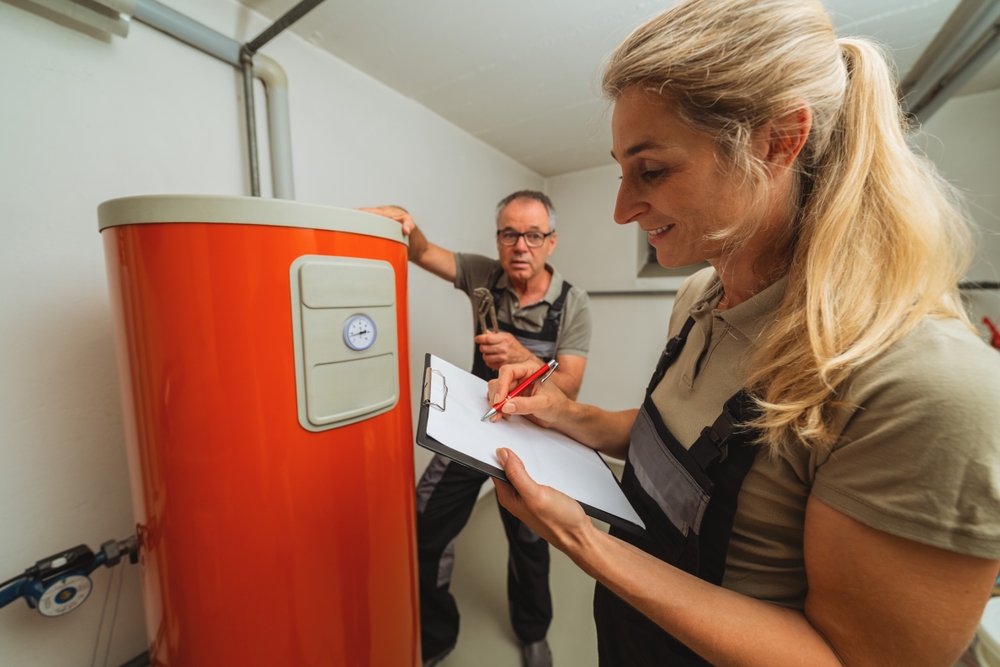
Oil boilers are reliable heating systems, but they do respond to temperature changes. When the mercury drops, a few specific issues can arise that interrupt your heating or reduce performance.
The most common cold weather problems include fuel thickening (known as gelling or waxing), frozen condensate pipes, reduced combustion efficiency, and freezing of external pipework or oil supply lines. None of these are inevitable, but they become more likely when temperatures fall below freezing for extended periods.
Understanding these issues helps you spot warning signs early and take action before a minor inconvenience becomes an expensive repair or a heating failure on the coldest night of the year.
Fuel Oil Gelling and Waxing
Heating oil contains paraffin wax, which remains liquid at normal temperatures. When outdoor temperatures drop to around -5°C or lower, these wax molecules can start to solidify, causing the fuel to thicken. This process is called gelling or waxing.
Once fuel begins to gel, it struggles to flow through filters and feed lines. Your boiler may lose pressure, fail to ignite, or lock out completely because it cannot draw enough fuel to maintain combustion. In severe cases, gelled fuel can block the oil filter entirely, stopping the system until temperatures rise or the problem is resolved.
Fuel suppliers often add winter additives to kerosene during colder months to lower the gelling point, but prolonged freezing conditions can still cause issues, particularly if your oil tank is exposed or your fuel supply is older.
Frozen Condensate Pipes
Modern condensing oil boilers produce condensate—a mildly acidic water byproduct that drains away through a small plastic pipe, usually running to an external drain or soakaway. This pipe is often installed outside and can freeze solid when temperatures fall below zero.
A frozen condensate pipe prevents the boiler from draining properly, triggering a safety lockout. This is one of the most common causes of heating breakdowns in winter, and it can happen quickly during overnight frosts. The pipe is typically narrow (around 22mm in diameter), which means even a small blockage stops the system.
You can often restore heating temporarily by carefully thawing the pipe with warm (not boiling) water, but repeated freezing can damage the pipe or fittings over time.
Reduced Efficiency and Increased Fuel Consumption
Cold weather makes your boiler work harder. Lower ambient temperatures mean greater heat loss from pipework, flue gases, and the boiler casing itself. This reduces overall system efficiency, so you burn more oil to maintain the same comfort level indoors.
If your boiler is older or has not been serviced recently, efficiency losses become more pronounced. Dirty burners, worn components, and poor combustion can compound the problem, leading to higher fuel bills and shorter periods between tank refills.
Regular servicing helps maintain peak efficiency year-round. Find out how often you should service an oil boiler to keep your system running smoothly throughout winter.
Practical Steps to Protect Your Oil Boiler in Winter
Prevention is always easier and cheaper than repair. A few straightforward measures can protect your oil boiler and fuel supply system from cold weather disruption.
Insulate External Pipework and Condensate Pipes
Wrap exposed pipes with foam lagging or insulation tape designed for outdoor use. Pay particular attention to the condensate pipe, which is vulnerable because of its narrow diameter and external location. Insulation will not eliminate the risk of freezing entirely, but it significantly reduces the likelihood and buys you time during short cold snaps.
Make sure insulation is weatherproof and securely fitted. Check it each autumn and replace any damaged sections before winter arrives.
Position Your Oil Tank Carefully
If you are installing a new tank or replacing an old one, consider its location carefully. Tanks placed in sheltered spots—away from prevailing winds and direct exposure to freezing conditions—are less likely to experience fuel gelling.
If your tank is already in place and cannot be moved, you can still take steps such as wrapping the tank with insulation or building a simple windbreak. For advice on what size oil tank you need, our team can help assess your property and fuel requirements.
Use Fuel Additives When Necessary
Winter fuel additives lower the temperature at which heating oil gels. These are widely available and can be added to your tank before cold weather arrives. Follow the manufacturer’s instructions carefully—too much additive can cause other issues, and it is no substitute for proper system maintenance.
If you are unsure whether additives are suitable for your system or fuel type, speak to an OFTEC certified engineer before adding anything to your tank.
Keep Your Tank Topped Up
A fuller tank is less prone to condensation, which can lead to water contamination and sludge buildup. Water in your fuel tank can freeze and block filters or feed lines. Keeping your tank at least half full during winter reduces these risks and gives you peace of mind that you will not run out of fuel during a prolonged cold spell.
Many homeowners find it helpful to monitor what time of year heating oil is cheapest and plan refills accordingly.
Schedule an Autumn Service
An annual service before winter ensures your boiler is clean, efficient, and ready for the demands of colder weather. Engineers check the burner, nozzle, filters, controls, and safety devices during a service. They also inspect fuel lines and connections for signs of wear or damage.
A well-maintained boiler is far less likely to break down in freezing conditions. Learn more about what happens during an oil boiler service to understand what is checked and why it matters.
Troubleshooting Cold Weather Oil Boiler Issues
If your oil boiler stops working during cold weather, there are a few things you can check yourself before calling an engineer. Always follow safety guidance and never attempt repairs you are not confident with.
Step-by-Step Checks
- Check the condensate pipe: If your boiler has locked out and the outside temperature is below freezing, the condensate pipe is the most likely culprit. Locate the pipe (usually a small white or grey plastic pipe running outside) and feel along its length. If it is frozen, you can carefully pour warm water over the frozen section to thaw it. Do not use boiling water, as this can crack the pipe. Once thawed, reset the boiler and see if it fires up.
- Inspect the fuel supply: Check that your oil tank has fuel in it. If the gauge shows empty or very low, arrange a delivery and allow time for fuel to settle before restarting the boiler. If there is fuel but the boiler still will not fire, the filter may be blocked by gelled fuel or debris.
- Reset the boiler: Many boilers have a reset button (often red) on the control panel. Press it once and wait to see if the boiler restarts. If it locks out again within a few minutes, do not keep resetting—this indicates a fault that needs professional attention.
- Check for error codes: Modern oil boilers display error codes on the control panel. Note down the code and consult your user manual or contact an engineer. Error codes help diagnose the problem quickly and save time during a call-out.
If none of these steps restore heating, or if you are unsure at any point, contact an OFTEC registered engineer. Attempting repairs without proper training can damage your boiler or create safety hazards.
When DIY Is Not Enough
Some cold weather problems require professional tools and expertise. If you suspect fuel gelling, a blocked burner, or internal component failure, contact South West Gas Services for fast, reliable help. Our engineers carry the equipment and spares needed to get your heating back on quickly.
If your boiler is frequently losing pressure during winter, it may indicate a deeper issue with pipework or the system design. Read our guide on why oil boilers lose pressure for more detail.
When to Call an OFTEC Engineer
Certain situations require an engineer’s expertise, both for safety and to avoid making the problem worse. You should call a professional if:
- Your boiler will not reset after thawing the condensate pipe
- You smell oil inside or outside your home
- The boiler makes unusual noises, such as banging or whistling
- You notice soot, smoke, or a yellow flame (which should be blue)
- The system repeatedly locks out despite troubleshooting
- You are unsure about any aspect of the problem
OFTEC registration means an engineer is trained and assessed to work safely and competently on oil-fired heating systems. All work is carried out to current British Standards, and you receive certification for any installations or major repairs. This matters for insurance, property sales, and your own peace of mind.
For domestic heating services, our team provides everything from emergency repairs to planned maintenance. We also support landlords and commercial properties across the region.
How Oil Heating Compares in Cold Weather
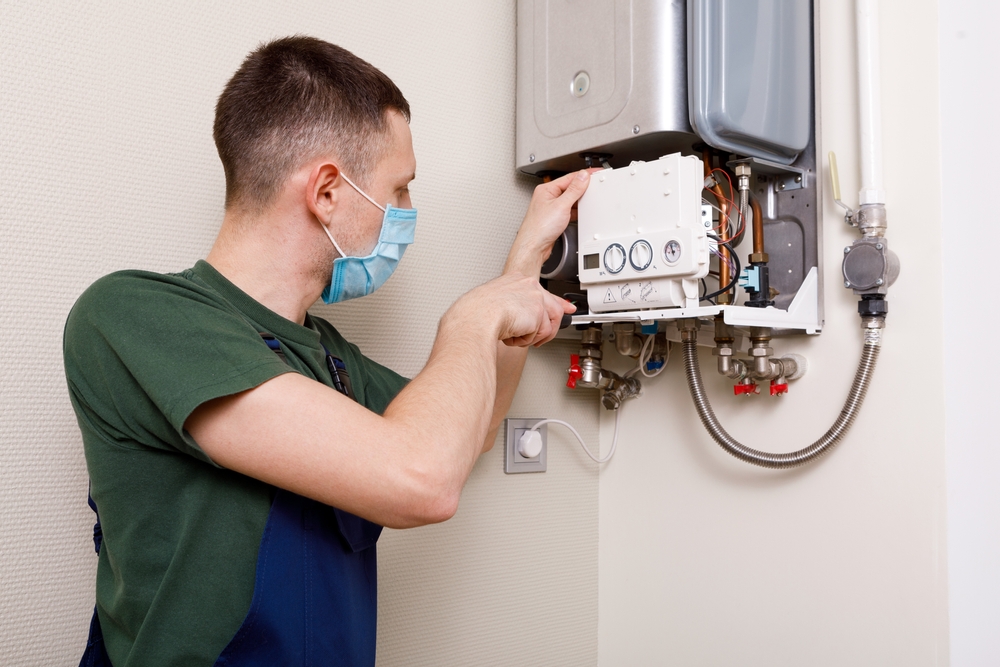
If you are weighing up heating options for a new property or considering a replacement system, it is worth understanding how oil heating compares to gas and electric. Oil boilers perform well in rural and off-grid locations where mains gas is unavailable, and modern condensing oil boilers offer strong efficiency even in winter.
However, oil systems do require a bit more attention during freezing weather compared to mains gas. The trade-off is independence from the gas grid and the ability to shop around for fuel suppliers, which can offer savings if you plan your heating oil purchases strategically.
If your current oil boiler is old, inefficient, or showing signs of wear, you may also want to consider how long an oil boiler lasts before replacement. Upgrading to a modern system can reduce fuel consumption and improve reliability, especially during harsh winters.
Final Thoughts: Stay Warm and Prepared
Cold weather can affect oil boilers, but most problems are avoidable with sensible preparation and regular maintenance. By insulating pipes, scheduling an autumn service, and keeping your fuel tank topped up, you give yourself the best chance of uninterrupted heating throughout winter.
If you do run into trouble, knowing what to check and when to call for help makes all the difference. Our engineers are here to support you with honest advice, reliable repairs, and transparent pricing.
Get in touch with our team if you need advice, servicing, or emergency support. We have been helping homeowners, landlords, and businesses across Somerset since 2016, and we understand local properties and heating systems inside out.
Whether you need a routine service, a repair, or guidance on preparing for winter, South West Gas Services is here to help. Contact us for straightforward, professional advice from experienced local engineers.